
Recovery straps are made from one hundred% nylon webbing that can stretch under load and recoil back to pretty much its original length. The mixture of the recovery vehicle pull and the tension in the strap creates a ‘snatching’ impact that can pull a stranded automobile free from getting bogged or unable to move under its personal power. Usually adhere to safe operating procedures and recommendations. When utilised in accordance with these guidelines, vehicles may be recovered with minimal risk of injury to people today or damage to cars and equipment.
Important Info AND Security Recommendations
1. Verify the strap and its packaging for the stated Minimum Breaking Strength (MBS).
two. It is encouraged that the minimum breaking strength of the strap should be between 2 and 3 times the vehicle’s gross automobile mass (GVM) (the weight of the automobile and any individuals, accessories and supplies) and
3. The strap must be suited to the GVM of the lighter of the two cars utilised in the recovery procedure.
4. Persons intending to use the strap really should contemplate completing a nationally recognised four wheel drive coaching course or make contact with a four wheel drive club for comprehensive tips on the suitable choice and use of the strap.
5. The strap will have to not be made use of for lifting or standard towing.
six. Persons intending to use the strap need to ensure that the strap is not broken and is in usable situation.
7. The strap’s strength and stretch are lowered when the strap is saturated.
eight. Something like a recovery damper, heavy bag or blanket will have to be draped over the strap throughout use to cut down any unintentional rebound of the strap.
9. Whilst the strap is being used, persons situated outdoors the motor automobiles involved in the recovery procedure have to –
(A) be kept at a safe distance (suggested as at least 1.five occasions the length of the unstretched strap) from either of the autos involved in the recovery process and
(B) never ever situate themselves inside the path of the automobile performing the recovery.
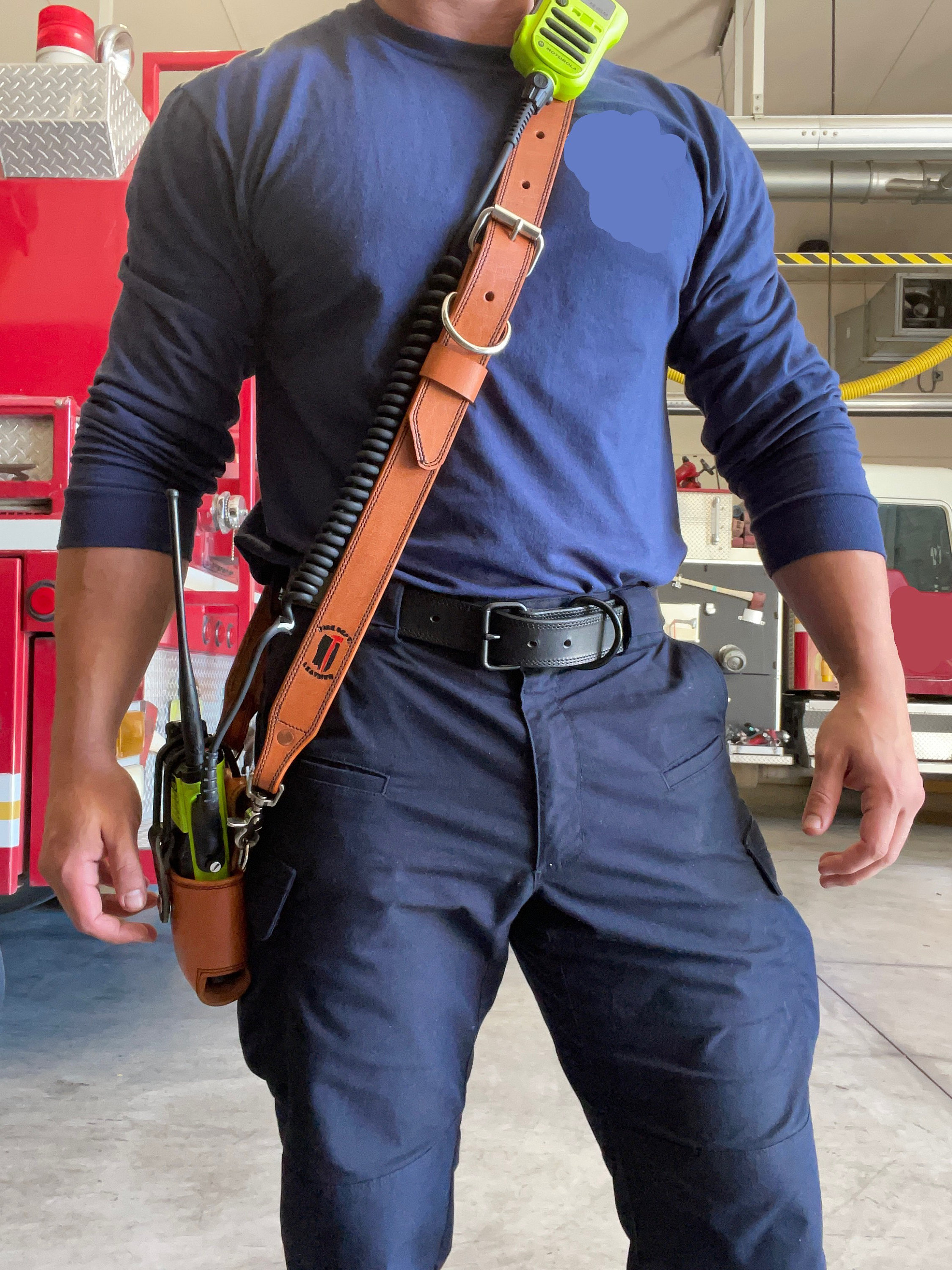
‘WARNING – Constantly stick to product guidelines. It is significant to properly attach the motor car recovery strap to a motor automobile. ems radio strap or automobile tie-down point is not developed for this goal and may perhaps result in the strap or a automobile component detaching from a motor automobile and striking and seriously injuring or killing a particular person. Only attach the strap to a vehicle recovery point or device that is suitably rated for use with the strap. Incorrect use has previously resulted in critical injury and death.’
Crucial NOTE
1. Never attempt to recover a automobile with no all the necessary equipment.
two. Only use gear that is adequately rated for the distinct predicament. If in doubt, do not use it.
3. Never ever exceed the Minimum Breaking Strength (MBS) of the strap or the Working Load Limit (WLL) of shackles.
four. Verify your car manufacturer’s hand book for recovery point locations.
Picking THE Right RECOVERY STRAP
It is extremely essential the correctly rated strap is utilized. A strap with a ‘too light’ breaking strength may well break under load. A strap with ‘too heavy’ a breaking strength may perhaps not stretch correctly and far more anxiety will be placed on the recovery points, possibly causing harm or injury. The Minimum Breaking Strength (MBS) of the strap should be in between 2 and three times the Gross Vehicle Mass (GVM) of the lighter of the two automobiles used in the recovery course of action. Be conscious that the recovery strap will be under greater load if the vehicle is bogged in mud, sand or heavily loaded. If the GVM is not stated on the identification plate of a car or its registration certificate it could be obtainable from the owner’s handbook or from the car manufacturer.
Maintaining People today Secure
Only the persons involved in the recovery should be in either of the vehicles. Assure bystanders keep a secure distance away of at least 1.5 occasions the length of the unstretched strap in the opposite direction. Under no circumstances stand among vehicles connected by a recovery strap.
PREPARING FOR THE RECOVERY
Meticulously assess the situations of the stranded car. If it has bottomed out, clear below the automobile body so it rests on its wheels. The recovery car should be placed in line (no additional than 10° off the straight line) with the stranded car, for either a forward or reverse recovery operation. Distance among cars must be 2-three metres much less than the unstretched length of the recovery strap. Establish agreed signals among the vehicle drivers, by radio (preferably), hand signals or car horn.
CONNECTING THE RECOVERY STRAP
Carefully inspect the recovery strap to figure out that it is in fantastic condition. If the strap is wet, dirty, cut or chaffed, it will not execute appropriately. A wet strap may possibly be 20% below strength, a broken strap may possibly break. Do not permit the strap to come into with make contact with hot surfaces or sharp edges. Roll the strap out involving the vehicles, creating sure there are no twists or knots. Leave about two-3 metres slack amongst the vehicles. The joining of straps should be avoided wherever doable (Retailers carry varying lengths of straps). In no way USE A METAL OBJECT to join two straps collectively – if the strap breaks it can turn into a lethal missile and bring about harm or injury.
Check your automobile manufacturer’s hand book for recovery point areas, or use appropriately rated and fitted aftermarket recovery points. DO NOT CONNECT TO A TOW BALL OR TIE DOWN POINT. Connect recovery strap to recovery point for any recovery point requiring the use of a shackle to attach the strap, use only load rated shackles. Only connect to appropriately rated recovery points on the cars, with only ‘Load Rated’ shackles. Load ratings are marked on shackles as WLL (Functioning Load Limit). Bow Shackles are appropriate for this purpose and should be rated at least three.25t. To appropriately tighten shackle pins, screw the pin until it seats then back off about ½ to 1 turn. Over tightening may perhaps lead to seized pins, due to the force exerted for the duration of recovery operations. To minimize the risk of a vehicle getting damaged and particular person injured, hang a appropriate recovery damper blanket more than the recovery strap about midway to absorb the recoil action of a strap ought to it break.
REMINDER: Check all connections once again and clear bystanders to a secure distance (at least 1.five occasions the length of the unstretched strap) to the side of the recovery operation and Never in the line of recovery.
PERFORMING THE RECOVERY
1. Prior to the recovery operation drivers ought to agree on the point to which the stranded vehicle is to be recovered and the signal (radio, hand signal or horn blast) when that point is reached.
2. With communications maintained among both autos, and recovery strap safe, the recovery vehicle really should gently accelerate, taking up the slack and proceeding at no faster than 10-12kph. For very best final results the stranded vehicle should really be in 1st gear (or 2nd Low), and the driver need to assist the recovery by attempting to drive out about three seconds from when the recovery vehicle moves off.
3. If the car is not recovered on the initial try, verify under the stranded vehicle, once again, for obstacles, reset the slack in the recovery strap and try a small a lot more speed by the recovery vehicle.
four. NOTE: Excessive speed or continual jerking action whilst using a recovery strap may possibly outcome in harm to the recovery point, chassis and drive line of each autos.
5. When the stranded automobile reaches the agreed point the driver should advise and the recovery car should really cease, then the stranded automobile ought to stop.
