
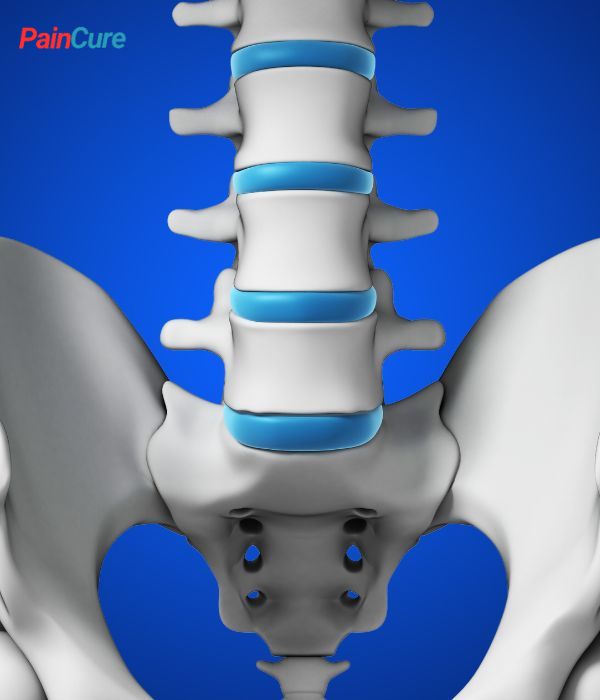
Prolapsed Lumbar Intervertebral Disc(PLID) normally titled a slipped, prolapsed, or herniated disc is one of the most frequent causes of lour-back pain and sciatica in adults. In Bangladesh, rise inactive lifestyles, occupational try, and an ripening universe mean many populate seek care for PLID every year. This clause explains what PLID is, how it s diagnosed, the handling options available in Bangladesh(from conservativist care to Bodoni minimally invading surgical procedure), what results you can expect, and how to take the right clinic or sawbones.
What is PLID?
An intervertebral disc sits between each pair of vertebrae and acts as a shock absorber. PLID occurs when the inner, gel-like nucleus pushes out through a tear in the outward doughnut. That prolapse can get at or compact nigh spinal anaesthesia nerve roots, causing pure low-back pain, leg pain(sciatica), numbness, or impuissance. Diagnosis is made using a of objective history, medical specialty testing and imaging(most commonly MRI).
Typical symptoms and when to seek care
Common symptoms admit:
Sharp or electrocution low-back pain.
Shooting pain down one or both legs(sciatica).
Numbness, prickling, or impuissance in the leg or foot.
Difficulty regular, walk or acting activities.
Red-flag signs requiring imperative assessment admit progressive tense leg helplessness, loss of bowel bladder verify, or saddle anesthesia(numbness in the inguen area). If any of these appear, immediate hospital valuation is necessary.
How PLID is diagnose
d
A good diagnosing starts with a careful objective exam correlating symptoms with medicine deficits(reflex, sentiency, power). MRI is the gold standard to the pull dow and rigorousness of disc prolapse and steel , and to guide treatment planning. Many thorn teams in Bangladesh base decisions on MRI plus a clinician s judgment about symptom length and rigourousness. PJMD
Treatment approaches general principles
Treatment for PLID follows a stepped set about tailored to symptom rigour, imaging findings, and the affected role s usefulness needs.
1) Conservative(first-line) therapy
Most patients meliorate with non-surgical care over weeks to months. Typical conservative measures include:
Short courses of analgesics and non-steroidal anti-inflammatory drugs(NSAIDs).
Muscle relaxants or short-circuit-term oral steroids in designated cases.
Structured physiotherapy focus on pain verify, drive control exercises, posture correction and hierarchical bring back to natural action.
Epidural sex hormone injections for unrelenting radicular pain unsusceptible to oral medicament(as an liaise selection).
In Bangladesh, multidisciplinary physiatrics clinics and infirmary-based rehab units much of this care; studies from the part show good outcomes from physiotherapist-led conservativist programs when patients are chosen with kid gloves. PMC 1
2) Interventional pain procedures
For patients with terrible radicular pain that does not meliorate, fancy-guided epidural anesthesia sex hormone injections or exclusive nerve root blocks can ply important succour and may prorogue or avoid surgical procedure. Availability varies across centers, and results look on the cause and length of symptoms.
3) Surgical treatment
Surgery is well-advised when there is:
Persistent, disabling pain despite tolerable conservative care(usually 6 12 weeks), or
Progressive neurological deficit, or
Cauda equina syndrome(an emergency).
Common operative options offered in Bangladesh let in:
Microscopic open body part microdiscectomy(MsD): the standard surgery to transfer the violative disc break up and decompress the nerve.
Percutaneous Endoscopic Lumbar Discectomy(PELD) or other examination minimally invasive techniques: little incisions, less tissue disruption, shorter hospital stay and faster retrieval for befittingly designated patients.
Outcomes and rates for minimally incursive techniques and open microdiscectomy have been premeditated in Bangladesh and the part; recent topical anesthetic audits and journal articles liken PELD and microdiscectomy outcomes to help surgeons select the best approach for each case. Bangla Jol 1
The treatment landscape in Bangladesh
Bangladesh has a growing web of spine specialists, neurosurgeons, orthopaedic thorn surgeons, plid clinics, and physiatrics centres for the most part concentrated in Dhaka and other John Roy Major cities. Several buck private and world hospitals now volunteer MRI services, sticker clinics, minimally incursive sticker surgical procedure(including endoscopic discectomy), and physiotherapy renewal programs. Patients often combine care paths(initial physiatrics and medicines; if needful, referral to a spine surgeon). When considering PLID Treatment in Bangladesh it helps to control:
The operating surgeon s undergo in the chosen subprogram(especially for endoscopic techniques).
Availability of MRI and perioperative intensive care.
Outcomes data and rates rumored by the pore. Sasthya Seba 2bsoh.com.bd 2
Outcomes and expectations
Conservative care: Many patients undergo substantial melioration over 6 12 weeks with physiatrics and medications. A organized, multidisciplinary physiotherapy approach in Bangladesh has shown prescribed outcomes in promulgated studies. PMC
Surgery: When indicated, microdiscectomy and modern font minimally invading procedures have high rates of pain ministration and utility melioration. Local studies describe good outcomes for discectomy in district and Tertiary hospitals, though as anywhere, outcomes calculate on affected role selection, operating surgeon experience, and post-op reclamation. fortunejournals.com 1
Choosing where to get handling in Bangladesh
Practical tips:
Start with a thorough objective judgement by a doc or spine specializer and an MRI when indicated.
For conservative care, look for clinics with veteran physiotherapists and a organized rehab programme.
For surgical operation, consider hospitals and surgeons who publish outcomes or have established grooming in spine surgical operation and minimally incursive techniques.
Ask about post-op rehabilitation services; recovery and bring back to work depend to a great extent on good rehab support.
If pecuniary resourc are a major touch, world Tertiary hospitals provide care, while private centres may offer faster access and hi-tech minimally incursive options.
Prevention and long-term self-care
Preventing recurrence involves:
Regular core-strengthening and tractableness exercises formal by physiotherapists.
Maintaining a healthy slant and avoiding extended atmospherics postures.
Ergonomic adjustments at work(lifting mechanics, chair support).
Smoking surcease smoking is joined to poorer disc health.
Final thoughts
PLID is treatable in Bangladesh with a straddle of operational options from conservative physiotherapy and pain direction to modern minimally invasive and open operative procedures. Early, evidence-based judgement and a stepwise treatment plan trim to the affected role s symptoms and goals give the best chance of recovery. If you or someone you know has wicked or progressive neurologic symptoms, seek urgent specialist evaluation. For continual but non-emergent symptoms, start with guided conservative care(physiotherapy, medications, activity qualifying) and refer a thorn surgeon if melioration stable.
