
Natural skin care is commonly understood to refer to these items characterised by the absence of synthetic components, such as preservatives, petrochemical derivatives, mineral oils, fragrances and harsh detergents.
Typically, natural skin care items are created using all-natural components such as plant oils, necessary oils, herbal and floral extracts (both aqueous and waxy), that have been prepared in the “old style way”, devoid of chemical processing or modification. At times, ethically produced animal derivatives, such as beeswax, may possibly also be present in organic skin care (1).
All-natural skin care created with authorized organically developed raw materials and practices can be organic certified by the relevant organic organizations.
Sadly, there are various products in the marketplace that claim to be either natural or that are cleverly marketed for their singular botanical extract or vitamin, amongst a dense cocktail of synthetic ingredients. These are the “pseudo-natural” products (1). To enable clarify if a skin care item is seriously organic, it is encouraged to read the ingredients section in the label.
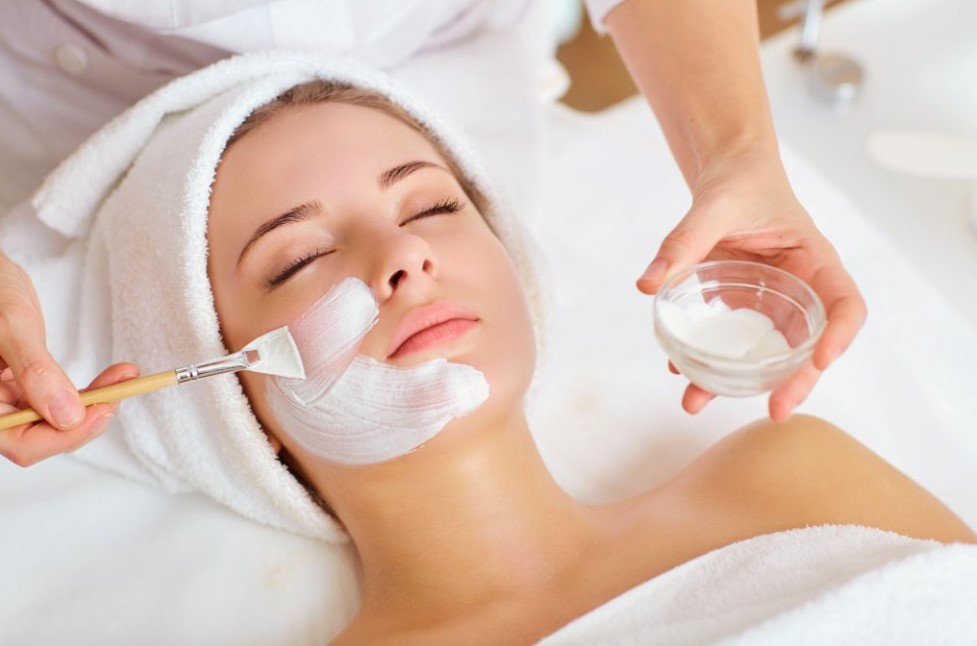
Why is organic skin care much better than synthetic?
Goods that are made from components that have been extracted naturally from sustainably maintained plants and crops manifest the essence, the power, the qualities and the positive aspects of the supply raw material, in strategies that synthetics components do not.
Basically place, the geographical place, the soil and the water the plants are grown in, as nicely as the sun exposure, the seasons and harvesting instances contribute to the mature plants and crop yields in exceptional approaches.
These aspects can not be mimicked in the laboratory or controlled nurseries, as the organic exposure to the environmental conditions facilitates improvement of subtle variations in the plants. These are then reflected in the quality of the extracted oils, as nicely as on their particular composition, properties and positive aspects.
Besides, synthetic components are developed in laboratories using scientific, however often hazardous processes involving the use of carbon dioxide, propylene glycol or hexane based solutions. Although these chemical agents may perhaps only be present is trace amounts in the final synthesised components, it is unclear what impact they may have as they accumulate in our bodies, more than a prolonged period of exposure (two).
Of course, some of the all-natural extracts and oils may also be impacted or destabilised by the all-natural extraction approaches applied in their preparation. For these causes suppliers of organic skin care items give good consideration to the sourcing of their raw components and how natural ingredients are prepared from the latter.
What is Special About Plant Oils?
Plant oils are created up of complex mixtures of various fatty acids (lipids). It is the distinct mix and ratio of these fatty acids that determines the exclusive character of any oil. In addition to the main lipid fraction, there are also other incredibly vital bioactive substances such as the phospholipids, phosphatides, phytosterols, phytoestrogens, isoflavones and vitamins. These bioactives are identified as the unsaponifiable fraction of the oil. They typically are present is modest amounts and are distinctive signatures of the oils (3).
To demonstrate how the oil composition determines the difference in functional properties, the typical fatty acid profile of apricot kernel and borage oils as described in Kusmirek (three) are compared under.
1 – Apricot kernel oil is a mixture of 58 – 74% of oleic acid, 25 – 30% of linoleic, with the remainder 4 – 7% composed of palmitic, palmitoleic, stearic and alpha-linolenic acids. The unsaponifiable content material is around .five -.75%.
two – Borage oil is a mixture of 30 – 40% linoleic acid, 8 – 25% gamma linolenic acid, 15 – 20% oleic acid, 9 – 12% palmitic acid, 3 – 4% stearic acid, 2 – six % eicosenoic acid. Esthetician in Glendale AZ is around 1%.
Apricot kernel oil is a fantastic nourishing and emollient oil that is simply absorbed. These properties are attribute to the higher percentages of oleic and linoleic acids. In addition, apricot kernel oil is also an superb source of vitamin A, present in the unsaponifiable matter.
Borage oil is identified for its nourishing and penetrating properties attributed to the presence of linoleic and oleic acids, but in addition the high content of gamma-linolenic acid confers its regenerating and firming qualities.
The variations in the properties of apricot kernel and borage oils, as well as these of other oils not discussed here, demonstrate the importance to blend numerous plant oils for optimal skin care, so that the skin is adequately fed, continuously hydrated, smooth feeling and equipped to regenerate efficiently. These are essential to market a healthful skin glow, regardless of age.
But, even if the synthetics oils had been to reproduce the precise mixes and ratios of plant derived fatty acids and unsaponifiables, it would be nearly impossible to mimic into the synthetic oils the contribution from the energy that is held in the plant, from which the equivalent organic oils have been extracted. Hence, natural components are different from their synthetic equivalents.
What about vital oils and other botanicals?
Essential oils are concentrated extracts of aromatic and other volatile plant substances, occasionally containing development elements recognized for their regenerative properties. They are the source of the scents of nature and may be applied to add scent to natural products. Because of their concentrated nature and high price to generate, only compact amounts of essential oils are used in all-natural skin care. Apart from, as crucial oils might be irritating to the skin, they should under no circumstances be applied undiluted.
In contrast to oils, floral/herbal waters are the aqueous extracts from flowers/plants. Naturally made oils and aqueous extracts are produced by way of distillation, steaming, or infusion procedures. These are slow and usually inefficient processes that add to expense. But, the items generated working with non-synthetic approaches are much safer and healthier than those extracted with the use of artificial approaches.
Is there a difficulty with the variation in organic ingredient batches?
The rapid answer is NO!
Certainly, naturally produced ingredients show “batch variation”, but this is portion of nature, demonstrating the cycles of change. These are all-natural bio- rhythms, and as with every thing in nature from time to time there is abundant sunshine, other times there are only clouds. Naturally, these climate adjustments impact the development patterns of the plants.
