
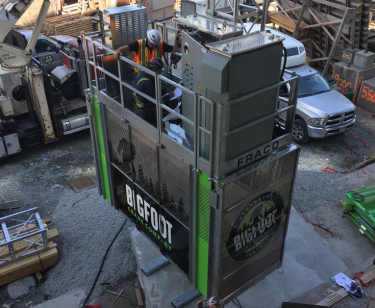
Below the hook lifting devices are specialised tools that attach straight under a crane hook or hoist. Their main job is to hold, poise, and lift heaps that are heavy, wide, long, or noncompliant to finagle with a simpleton hook alone. In factories, warehouses, ports, and construction sites, these make lifting work smoother and safer. Below the hook lifting devices help control the load, reduce swing, and turn down the risk of to materials or combat injury to workers.
These tools are designed for repeated use and are well-stacked to pit specific lifting needs. From nerve beams to panels and machinery parts, below the hook lifting give operators better grip and verify during every lift.
Why Below the Hook Lifting Devices Matter in Daily Operations
Heavy lifting is a formula part of industrial work, but it also carries risks. Below the hook lifting devices count because they help reduce those risks. When a load is balanced right, there is less chance of abrupt social movement. This protects both the workers and the equipment around them.
Another reason out below the hook lifting are portentous is . A well elect can reduce setup time and zip up the lifting work. Instead of adjusting slings again and again, operators can use a device made for that demand load type. Over time, this leads to better workflow and less downtime on the job site.
Common Types of Below the Hook Lifting Devices
There are many types of below the hook lifting devices, each premeditated for a particular task. Some of the most park options are registered below.
Spreader bars, these help open the load evenly and prevent bending or crushing Lifting beams, used for long or flexible mountain that need spear carrier support Plate clamps, designed to grip nerve plates safely from the edge or surface Coil lifters, made for handling heavy metallic element coils without slipping C meat hooks, often used in nerve mills to lift vauntingly coils with stability Vacuum lifters, nonesuch for smooth materials like glass, sheets, or panels
Each of these below the hook lifting is well-stacked with load limits and refuge features to oppose the job it is meant for.
How Below the Hook Lifting Devices Work
Below the hook lifting work by conjunctive the stretch out hook to the load in a restricted way. Instead of the hook touch the load directly, the device acts as a secure midriff target. Hooks, slings, clamps, or pads on the grip the load securely.
Once sessile, the stretch out lifts the device, and the lifts the load. This setup keeps the slant equal and centred. Many below-the-hook lifting devices also allow for rotary motion or registration, which helps put away the load accurately during position.
Safety Benefits of Below the Hook Lifting Devices
Safety is one of the biggest advantages of using below the hook lifting devices. These tools are designed to reduce green lifting problems such as load swing, slipping, or uneven weight statistical distribution. When a load girdle stable, workers can focalise on guiding it instead of reacting to fast social movement.
Below the hook lifting also help protect the load itself. Fragile or destroyed materials are less likely to be scratched, bent, or dropped. In industries where materials are costly, this protection makes a real remainder.
Choosing the Right Below the Hook Lifting Devices
Selecting the right below the hook lifting depends on several factors. The slant of the load is the first affair to consider. Every has a rated , and it should never be exceeded.
The shape and size of the load also weigh. Flat plates, round coils, and long beams all need different solutions. The plays a role too. Indoor factories, outside twist sites, and wet or stale areas may need particular materials or coatings.
By twin the to the task, companies get the best public presentation from their below the hook lifting and tighten wear and tear over time.
Maintenance and Inspection Practices
Below the hook lifting devices need regular review to stay safe and dependable. Visual checks before use help spot cracks, bent parts, or worn connections. Periodic inspections by skilled staff check that the device still meets safety standards.
Proper storehouse also matters. Keeping below the hook lifting devices strip and dry extends their service life. When retained well, these tools execute consistently and tighten unexpected failures during lifting trading operations.
Productivity Gains from Using Below the Hook Lifting Devices
Beyond refuge, below the hook lifting ameliorate productivity. Operators can complete lifts faster and with less adjustments. Loads can be positioned more accurately, which saves time during installment or stacking.
In busy industrial settings, small time savings add up chop-chop. Using the right below the hook lifting devices helps teams meet deadlines without rush or cutting corners.
Practical Value in Modern Workplaces
Below the hook lifting are more than just accessories, they are necessary tools for modern font lifting tasks. They support safer work habits, protect valuable materials, and help crews wield complex mountain with trust. As lifting needs bear on to grow across industries, these continue a honest solution that keeps operations animated send on in a becalm and limited way.
