
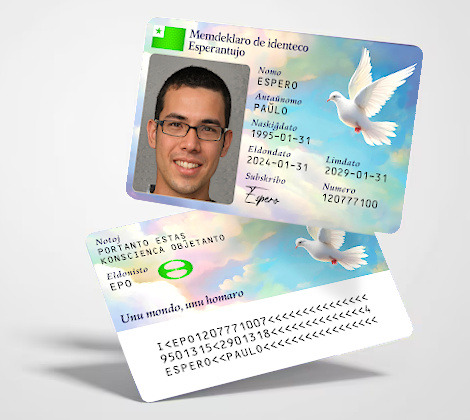
Digital identity plays an increasingly important role in the modern online environment. People use identity information to access services, create accounts, verify credentials, and communicate across different platforms. As these activities expand, new approaches are being developed to give individuals greater control over their digital information. Memdeklaro can be explored within this wider discussion of decentralized identity and user-controlled digital identity.
What Is Decentralized Identity?
Decentralized identity is an approach that aims to reduce dependence on a single organization for managing digital identity. Traditional identity systems often require a central service provider to store and verify user information. In contrast, decentralized models can allow individuals to take a more active role in managing identity-related information.
Technologies such as decentralized identifiers and verifiable credentials can support this approach. They can help users establish information about themselves and present relevant credentials when interacting with compatible services.
Understanding Memdeklaro
Memdeklaro can be considered in relation to self-declared identity and personal digital representation. The concept focuses on allowing individuals to communicate information about themselves instead of relying entirely on external platforms to define their digital identity.
This idea is relevant to modern online environments because users often maintain profiles across multiple services. A user-centered approach can encourage greater awareness of how personal information is presented, shared, and managed.
How Decentralized Identity Can Work
A decentralized identity ecosystem may include identifiers, digital wallets, credentials, and verification mechanisms. An organization could issue a digital credential, while the individual could securely hold and present that credential when needed.
For example, a digital credential might confirm membership, education, or another type of qualification. Rather than repeatedly submitting the same information to different services, users may be able to present an appropriate credential to a compatible verifier.
The exact process depends on the technology and standards being used.
Privacy and Personal Control
Privacy is an important consideration in decentralized identity. Giving users more control can potentially allow them to decide what information they want to share during a particular interaction.
Selective disclosure can be especially useful because it may reduce the need to reveal unrelated information. However, users should remember that decentralized technology does not automatically guarantee privacy or security. Strong protection of credentials, wallets, authentication methods, and recovery information remains necessary.
Benefits for Users and Organizations
Decentralized identity can provide several potential benefits. Users may gain greater control and portability over identity-related credentials. They may also become less dependent on a single identity provider.
Organizations can potentially benefit from faster and more consistent credential verification. Open standards may also make it easier for different services to work together, although interoperability depends on the technologies and standards they adopt.
Challenges and Limitations
There are still important challenges to address. Users need simple and understandable interfaces, while developers must consider security, scalability, interoperability, and recovery.
Legal and regulatory requirements are also significant. Identity systems often handle sensitive information, so responsible data management and appropriate safeguards are essential.
Another challenge is adoption. Decentralized identity becomes more useful when multiple organizations and applications support compatible standards.
The Future of Digital Identity
As online interactions continue to expand, decentralized identity may become an increasingly important area of digital innovation. The emphasis on user control, portability, privacy, and interoperability offers an alternative perspective to traditional centralized identity management.
Memdeklaro can be explored alongside these developments as part of the wider conversation about self-declared identity and more user-centered digital identity systems.
Conclusion
A decentralized identity approach aims to give individuals a greater role in managing and presenting their digital identity. Memdeklaro can be understood within this broader movement toward user-controlled verifiable credentials and personal digital representation.
Although challenges involving security, usability, interoperability, and regulation remain, continued development of identity technologies could provide new ways for people to manage their digital information with greater control and awareness.
