
Introduction to Density and Specific Gravity Meters
In the realm of scientific instrumentation, density and specific gravity meters play a crucial role in various industries, including pharmaceuticals, food and beverage, chemicals, and petrochemicals. These devices are designed to measure the density and specific gravity of liquids and solids with high precision and accuracy. The importance of these measurements cannot be overstated, as they are essential for quality control, research, and analysis. One notable supplier in this field is Drawell, which offers a wide range of density and specific gravity meters tailored to meet diverse industrial needs.
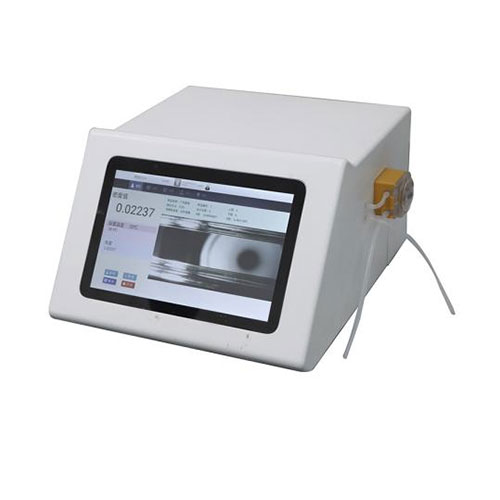
Density meters, also known as specific gravity meters, are precision instruments that provide reliable measurements for determining the concentration of solutions, the purity of substances, and the overall quality of products. These instruments are available in different models, including portable handheld units and laboratory benchtop models, to suit specific applications.
Types and Applications of Density Meters
Density meters can be broadly categorized into two types: portable and benchtop models. Portable density meters, such as the DensitoPro from Mettler Toledo, are designed for on-site measurements and offer the convenience of temperature compensation and cable-free data transmission. These devices are equipped with features like RFID and barcode readers, allowing for seamless sample identification and data management. On the other hand, benchtop models, like those offered by Fisher Scientific and Drawell, provide higher accuracy and are equipped with advanced features such as built-in Peltier thermostats for precise temperature control.
The applications of a density meter span across multiple industries. In the pharmaceutical industry, they are used for quality control of active pharmaceutical ingredients (API) and intermediates. In the food and beverage sector, density meters help measure sugar and alcohol concentrations, ensuring product consistency and quality. The petrochemical industry relies on these instruments for monitoring the density of crude oil, gasoline, and diesel, as well as for additive mixing ratio process control. Other applications include the brewing industry, chemical industry, and machinery manufacturing.
| Industry | Application |
|---|---|
| Pharmaceutical | Quality control of API and pharmaceutical intermediates |
| Food and Beverage | Measurement of sugar and alcohol concentrations |
| Petrochemical | Monitoring the density of crude oil, gasoline, and diesel |
| Brewing | Alcohol concentration detection in various alcoholic beverages |
| Chemical | Concentration testing of chemicals like urea, detergents, and acids |
Advantages and Selection Criteria
Digital density and specific gravity meters offer several advantages over traditional glass hydrometers. They provide faster and more accurate measurements, with results available within seconds. The built-in electric sampling pump ensures controlled sampling and rinsing, reducing user-dependent errors. Additionally, these instruments support workflows such as barcode or RFID-based sample identification, quality control with automatic pass/fail information, and data export to printers or PC software.
When selecting a density meter, several factors should be considered. The choice between a portable and benchtop model depends on the specific application requirements. Portable models are ideal for field measurements and offer temperature compensation, while benchtop models provide higher accuracy and are suitable for laboratory settings. Other considerations include the measurement range, resolution, repeatability, and accuracy of the instrument. For example, the DigiPol-D50 and DigiPol-D70 models from Drawell offer a measurement range of 0 g/cm³ to 3 g/cm³ with high resolution and accuracy.
In conclusion, density and specific gravity meters are indispensable tools in modern laboratories and industrial settings. Suppliers like Drawell provide a wide range of options to meet diverse needs. By understanding the types, applications, and selection criteria of these instruments, users can make informed decisions to enhance their measurement capabilities and ensure product quality.
