
In today’s digital world, many users encounter links claiming to lead to online slot games. These links often appear on social media, messaging apps, or random websites, promising quick rewards or easy money.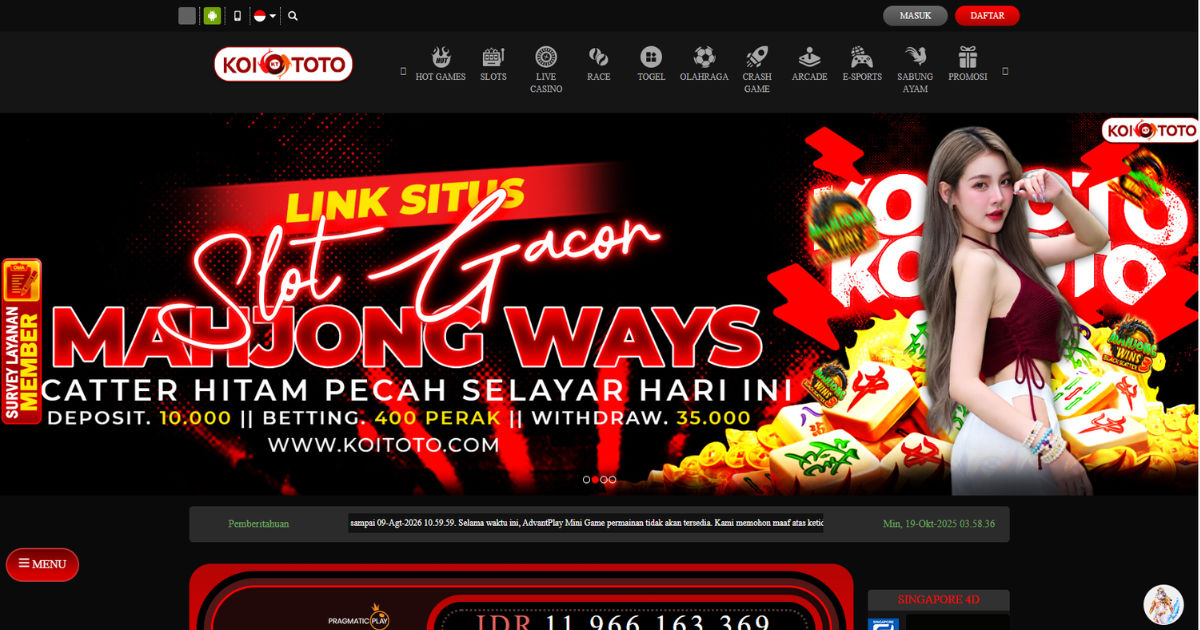
While koitoto links may look attractive, clicking such koitoto links can expose users to serious risks including scams, malware, and financial loss.
This koitoto article explains why links to online slot sites should be avoided, how they work, and what dangers they can bring. The goal is to help koitoto readers—especially younger internet users—understand online safety and make informed decisions.
Online Slot Links
What are these links?
Online slot links are URLs that direct users to gambling platforms, often unregulated or hosted outside official jurisdictions. They may be shared through:
- Social media advertisements
- Messaging apps like WhatsApp or Telegram
- Fake promotional emails
- Pop-up ads on websites
These links are designed to attract users quickly, often using phrases like “win big,” “100% bonus,” or “instant withdrawal.”
Why are they widely shared?
The reason these links spread rapidly is simple: profit. Operators or affiliates earn money when users click, register, or deposit funds. The more traffic they generate, the more revenue they gain—regardless of whether users win or lose.
Hidden Risks Behind Slot Links
1. Phishing and Identity Theft
One of the biggest dangers is phishing. Fake slot websites may ask users to enter:
- Full name
- Phone number
- Bank account details
- Payment card information
Once entered, this data can be stolen and misused. Identity theft can lead to unauthorized transactions or long-term financial fraud.
2. Malware and Device Infection
Some slot links automatically download harmful software when clicked. This can include:
- Spyware that tracks activity
- Keyloggers that record passwords
- Ransomware that locks your device
Even a single click can compromise your phone or computer security.
3. Financial Loss
Many users are encouraged to deposit small amounts initially. However, these platforms are designed so that:
- The odds always favor the operator
- Withdrawals may be blocked or delayed
- Bonus conditions are nearly impossible to meet
As a result, users often lose more money than they expect.
4. Lack of Regulation
Most of these sites operate without legal oversight. This means:
- No customer protection
- No guarantee of fair play
- No authority to report complaints
If something goes wrong, users have no legal support.
Psychological Manipulation Techniques
The illusion of winning
Slot platforms often show fake winning notifications such as:
- “User just won $500!”
- “Jackpot hit again!”
These messages are designed to create a false belief that winning is common.
Reward loops
Many platforms use psychological reinforcement:
- Small early wins to build trust
- Increasing difficulty later
- Encouraging repeated play
This creates a cycle similar to addiction.
Fear of missing out (FOMO)
Promotions like “limited time bonus” or “only today” push users to act quickly without thinking critically.
Why Young Users Are Especially Vulnerable
Teenagers and young adults are often targeted because:
- They spend more time online
- They are more likely to trust digital ads
- They may lack financial awareness
Without proper awareness, they may fall into traps that lead to long-term consequences.
Social Consequences of Clicking Slot Links
Strained relationships
Financial stress caused by gambling losses can affect family trust and friendships.
Academic or work decline
Excessive engagement with gambling platforms can reduce focus on school or work responsibilities.
Emotional stress
Users may experience:
- Anxiety
- Guilt
- Frustration after losses
How to Identify Dangerous Slot Links
1. Too-good-to-be-true promises
If a link promises guaranteed income or instant rewards, it is a red flag.
2. Unfamiliar domains
Suspicious URLs often use strange domain names or misspellings of real brands.
3. Pressure tactics
Messages like “act now” or “limited seats” are designed to rush your decision.
4. No official licensing
Legitimate platforms are usually licensed and clearly display regulatory information.
Safe Online Practices
Avoid unknown links
Do not click on links from strangers or unverified sources.
Use security tools
- Enable browser protection
- Install antivirus software
- Keep your device updated
Verify before trusting
Always check whether a website is legitimate before entering any information.
Talk to someone
If you are unsure about a link, ask a friend, teacher, or family member.
The Role of Digital Awareness
Digital literacy is essential in today’s internet environment. Understanding how scams work helps users avoid falling into traps. Awareness programs in schools and communities can reduce the risks associated with harmful online content.
Legal and Ethical Perspective
In many regions, online gambling exists in a legal gray area or is fully restricted. Even where it is legal, unregulated platforms often operate outside consumer protection laws. Ethically, many of these platforms are criticized for targeting vulnerable users and encouraging risky financial behavior.
Long-Term Impact of Ignoring Risks
Clicking unsafe slot links may seem harmless at first, but long-term consequences can include:
- Financial instability
- Data breaches affecting bank accounts
- Chronic online addiction behaviors
- Loss of trust in digital systems
Preventing these outcomes starts with awareness and caution.
Conclusion
Links leading to online slot platforms may look attractive, but they carry significant hidden risks. From phishing and malware to financial loss and psychological manipulation, the dangers far outweigh any potential short-term reward.
Understanding how these systems operate is essential for protecting yourself and others. The safest approach is to avoid unknown links entirely, verify sources carefully, and prioritize digital safety over quick promises of gain.
Being cautious online is not about fear—it is about awareness and responsibility in a digital world filled with both opportunity and risk.
