
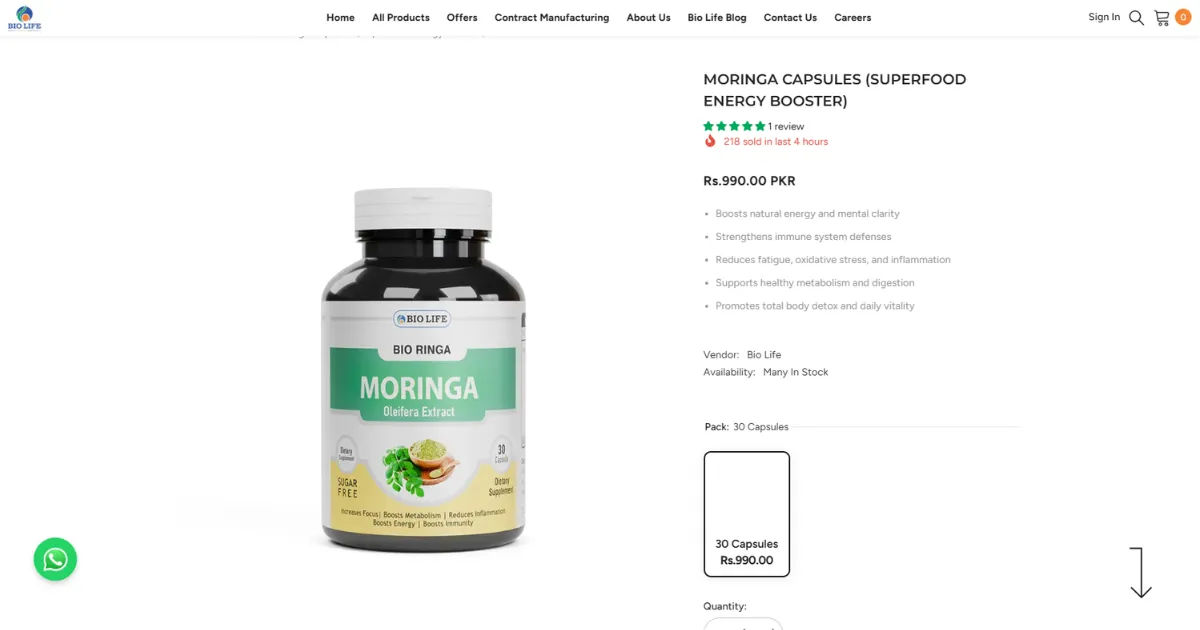
Moringa Capsules have become a popular natural supplement among people who want to improve their overall health, increase energy, and support their nutritional needs. Made from the leaves of the moringa tree, these capsules contain vitamins, minerals, antioxidants, and plant-based compounds that may offer several wellness benefits.
However, many people wonder whether Moringa Capsules are completely safe or if they can cause unwanted effects.Like any dietary supplement, Moringa Capsules may cause side effects in some individuals, especially when taken in high amounts or without proper guidance. Understanding possible risks, correct usage, and safety precautions can help people make informed decisions about adding them to their daily routine.
What Are Moringa Capsules?
Moringa Capsules are dietary supplements made from dried and powdered leaves of the moringa plant, scientifically known as Moringa oleifera. This plant has been used traditionally in different cultures because of its rich nutritional profile.
The leaves contain important nutrients such as vitamin A, vitamin C, calcium, potassium, iron, and protein. They also contain antioxidants and plant compounds that may help protect cells from oxidative stress.
Many people use Moringa Capsules as a convenient way to consume moringa without preparing fresh leaves or powder. Capsules are easy to store, simple to take, and provide a measured amount of moringa extract.
Why Do People Take Moringa Capsules?
People choose Moringa Capsules for various health-related reasons. Some take them to support general nutrition, while others use them as part of a healthy lifestyle.
Common reasons people use Moringa supplements include:
-
Supporting daily nutrient intake
-
Improving energy levels
-
Supporting immune function
-
Maintaining healthy digestion
-
Adding plant-based antioxidants to the diet
-
Supporting overall wellness
Although moringa contains many beneficial nutrients, it should not replace a balanced diet, medical treatment, or prescribed medications.
Do Moringa Capsules Have Side Effects?
Moringa Capsules are generally considered safe for many healthy adults when used properly. However, some people may experience side effects, particularly if they consume large amounts or have specific health conditions.
The body reacts differently to supplements, and even natural products can cause unwanted reactions. Possible side effects may include digestive discomfort, allergic reactions, or interactions with certain medications.
Understanding these possible effects can help users take precautions and avoid unnecessary problems.
Common Side Effects of Moringa Capsules
Digestive Problems
One of the most commonly reported side effects of Moringa Capsules is digestive discomfort. Some people may experience symptoms such as nausea, stomach cramps, bloating, or diarrhea.
These effects may happen because the body is adjusting to the new supplement or because a person is taking a higher amount than their body can tolerate.
Starting with a lower dose and gradually increasing intake may help reduce digestive issues.
Nausea or Stomach Upset
Some individuals may feel mild nausea after taking Moringa Capsules, especially when consuming them on an empty stomach.
Taking supplements with food may improve tolerance and reduce discomfort. If nausea continues for several days, stopping the supplement and consulting a healthcare professional is recommended.
Allergic Reactions
Although uncommon, some people may be allergic to moringa. Possible allergic symptoms include itching, skin irritation, swelling, or breathing difficulties.
Anyone experiencing signs of a serious allergic reaction should stop using the supplement and seek medical attention immediately.
Changes in Blood Sugar Levels
Moringa may influence blood sugar levels because some studies suggest that compounds in the plant may support blood glucose regulation.
For people with diabetes or those taking blood sugar-lowering medication, Moringa Capsules may require careful use. Combining supplements with medication without professional advice could potentially cause blood sugar levels to drop too low.
Lower Blood Pressure
Some research suggests moringa may have blood pressure-lowering effects. While this may benefit some people, it can be a concern for individuals already taking blood pressure medication.
People with naturally low blood pressure should also use caution and monitor their response.
Who Should Avoid Moringa Capsules?
Although many adults can safely use Moringa Capsules, certain groups should be cautious.
Pregnant Women
Pregnant women should speak with a healthcare provider before using Moringa Capsules. Certain parts of the moringa plant may affect the uterus, and safety during pregnancy depends on dosage and individual circumstances.
Breastfeeding Mothers
Breastfeeding mothers should seek professional advice before taking moringa supplements. While moringa leaves are traditionally used in some cultures during breastfeeding, supplement forms may contain concentrated amounts.
People Taking Medication
Moringa may interact with certain medications, including those used for diabetes, blood pressure, thyroid conditions, and other health concerns.
Anyone who regularly takes prescription medication should consult a doctor before adding supplements.
People With Medical Conditions
Individuals with chronic health conditions should be careful with any new supplement. A healthcare professional can help determine whether Moringa Capsules are suitable based on personal health needs.
Can Taking Too Many Moringa Capsules Be Harmful?
Taking excessive amounts of any supplement can increase the risk of side effects. More does not always mean better when it comes to natural products.
High consumption of Moringa Capsules may increase the chance of digestive problems and other unwanted reactions. Following the recommended dosage on the product label is important.
It is also important to choose supplements from reliable manufacturers because product quality, purity, and ingredient concentration can vary.
How To Take Moringa Capsules Safely
Using supplements responsibly can reduce the possibility of side effects.
Consider these safety tips:
Follow Recommended Dosage
Always follow the dosage instructions provided by the manufacturer or recommended by a healthcare professional. Avoid increasing the amount without a valid reason.
Take With Food
Taking Moringa Capsules with meals may help reduce stomach discomfort and improve absorption.
Choose Quality Products
Look for supplements made by trusted companies that provide clear ingredient information and quality testing.
Monitor Your Body’s Response
Pay attention to how your body reacts after starting the supplement. If unusual symptoms appear, consider stopping use and seeking professional advice.
Are Moringa Capsules Safe for Long-Term Use?
The long-term safety of Moringa Capsules depends on factors such as dosage, individual health conditions, and product quality.
Many people use moringa supplements regularly without problems, but long-term use should still be approached carefully. Periodic discussions with a healthcare provider can be helpful, especially for individuals with medical conditions.
A healthy lifestyle that includes nutritious food, regular exercise, proper sleep, and stress management should remain the foundation of wellness.
Benefits Compared With Possible Risks
Moringa Capsules may provide nutritional benefits, but users should balance these advantages with possible risks.
Potential benefits include:
-
Providing essential nutrients
-
Supporting antioxidant protection
-
Adding plant-based compounds to the diet
-
Supporting general wellness
Possible risks include:
-
Digestive discomfort
-
Allergic reactions
-
Medication interactions
-
Effects on blood sugar or blood pressure
The best approach is responsible use rather than assuming that all natural supplements are automatically risk-free.
What Should You Check Before Buying Moringa Capsules?
Before purchasing a supplement, consider several important factors.
Check the ingredient list to understand what the product contains. Avoid products with unnecessary additives or unclear labeling.
Look for information about manufacturing standards, quality testing, and recommended serving size.
A trustworthy supplement brand should provide transparent details about ingredients and usage instructions.
Frequently Asked Questions
Are Moringa Capsules safe for everyone?
No supplement is suitable for everyone. While many healthy adults can use Moringa Capsules safely, some people may experience side effects or interactions with medications.
Can Moringa Capsules cause stomach problems?
Yes, some users may experience nausea, bloating, cramps, or diarrhea, especially when taking high amounts.
Should I take Moringa Capsules every day?
Daily use depends on individual health goals, dosage, and personal tolerance. Following product instructions or professional advice is recommended.
Can Moringa Capsules replace a healthy diet?
No. Supplements can support nutrition but cannot replace a balanced diet containing fruits, vegetables, proteins, and whole foods.
Can people with diabetes use Moringa Capsules?
People with diabetes should consult a healthcare professional before use because moringa may influence blood sugar levels.
Conclusion
Moringa Capsules can be a useful nutritional supplement for many people, but they are not completely free from risks. While moringa leaves contain valuable nutrients and beneficial plant compounds, some individuals may experience side effects such as digestive discomfort, allergic reactions, or changes in blood sugar and blood pressure.
Using Moringa Capsules responsibly is the key to gaining potential benefits while reducing risks. Choosing a quality product, following recommended dosage instructions, and considering personal health conditions are important steps for safe use.
Anyone who is pregnant, breastfeeding, taking medication, or managing a health condition should seek professional advice before starting any new supplement. A balanced lifestyle combined with informed supplement use can help support long-term health and wellness.
