
When it comes to weddings, one of the most important aspects for a bride is her attire. Among the various choices, embroidered bridal wear stands out for its elegance, craftsmanship, and cultural significance. In countries like Pakistan, bridal wear is not just a garment; it is a statement of tradition, artistry, and personal style.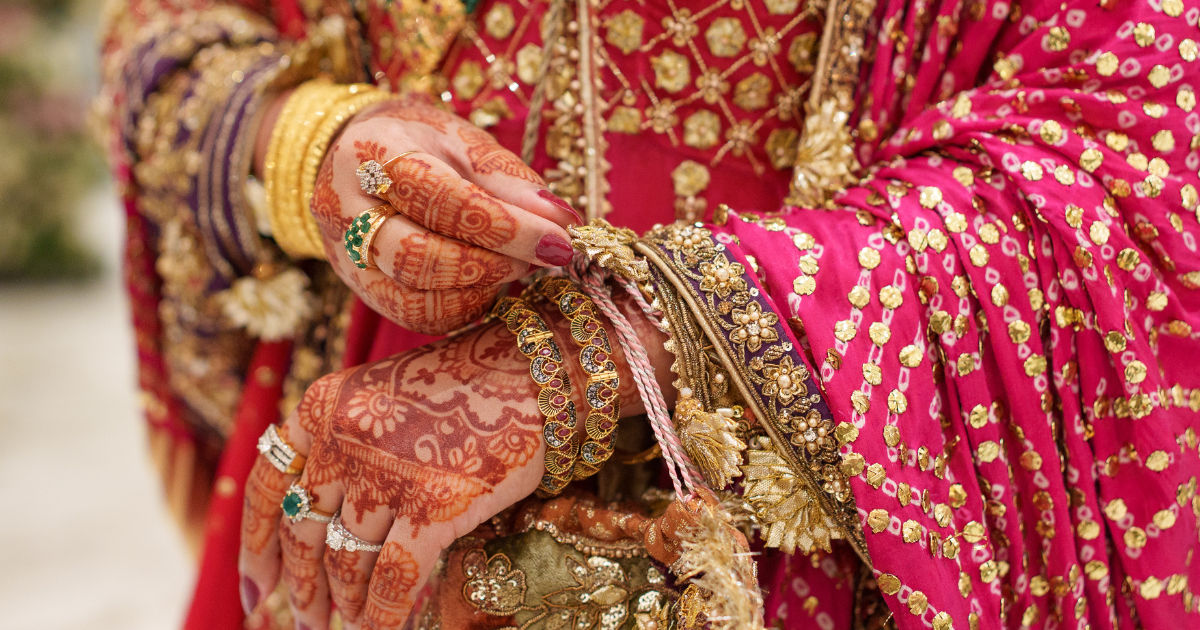
Pakistani bridal wear, in particular, is known for its intricate embroidery, luxurious fabrics, and attention to detail that makes each outfit unique.
Embroidered bridal wear combines fabric, thread, and embellishments to create dresses that are both visually stunning and meaningful. From heavily embellished lehengas to delicate long gowns, embroidery plays a central role in defining the beauty of bridal attire.
In this guide, we will explore what makes embroidered bridal wear so special, the types of embroidery used, popular fabrics, and the overall design elements that brides look for when choosing their perfect wedding outfit.
Understanding the Importance of Embroidery in Bridal Wear
Embroidery is not just decoration; it is a form of art that has been passed down through generations. In Pakistani bridal wear, embroidery adds richness and depth to the fabric. Each stitch tells a story, whether it is floral patterns symbolizing love or geometric designs reflecting heritage.
The significance of embroidery in bridal wear lies in its ability to transform a simple piece of fabric into a masterpiece. Brides want their outfits to stand out, and embroidery provides that personalized, luxurious touch. It also reflects the cultural values and craftsmanship that Pakistan is renowned for.
Types of Embroidery in Pakistani Bridal Wear
Embroidered bridal wear comes in various styles, each using different techniques and materials. Understanding these types can help brides choose outfits that match their personality and wedding theme.
Zari Embroidery
Zari embroidery is one of the most popular forms used in pakistani bridal wear. It involves weaving gold or silver threads into the fabric to create intricate patterns. This type of embroidery gives the outfit a royal look, making it perfect for brides who want to feel like royalty on their special day.
Resham Embroidery
Resham embroidery uses colored silk threads to create delicate patterns on fabric. Unlike metallic threads, resham provides a softer, more subtle look while maintaining elegance. It is often used to complement heavier embellishments on bridal dresses.
Mirror Work
Mirror work, also known as “sheesha” embroidery, incorporates small reflective mirrors into the fabric. These tiny mirrors catch light beautifully and add a sparkling effect to pakistani bridal wear. Mirror work is especially popular in traditional lehengas and long shirts.
Sequins and Beadwork
Sequins and beads are often used alongside thread embroidery to enhance the visual appeal of bridal wear. These embellishments add texture, shine, and dimension, making the outfit look more opulent and festive.
Cutwork and Appliqué
Cutwork involves cutting patterns into the fabric and finishing the edges with embroidery. Appliqué, on the other hand, adds fabric pieces stitched onto the base material. Both techniques create depth and intricacy in bridal attire, offering a unique design that stands out.
Fabrics Used in Embroidered Bridal Wear
The fabric is the foundation of any bridal outfit. In pakistani bridal wear, the choice of fabric plays a crucial role in how the embroidery looks and feels.
Silk
Silk is a classic choice for bridal wear because of its sheen, softness, and draping quality. Silk provides a perfect base for heavy embroidery such as zari and sequins, allowing the threads to sit beautifully without weighing down the fabric.
Chiffon
Chiffon is a lightweight, flowy fabric often used in embroidered bridal wear for dupattas, sleeves, or overlays. Its soft texture allows delicate embroidery like resham and floral patterns to appear elegant and graceful.
Velvet
Velvet is a luxurious fabric that adds richness to bridal outfits. Heavier embroidery styles, such as gold zari or beadwork, look stunning on velvet due to the fabric’s thickness and depth. Velvet is often chosen for winter weddings because it adds warmth as well as opulence.
Net
Net fabric is popular for creating bridal overlays or sheer sleeves. Embroidery on net gives a delicate, airy look. It allows embellishments to shine without overwhelming the wearer, making it perfect for modern bridal designs.
Organza
Organza is a lightweight, semi-transparent fabric that holds embroidery well and adds a soft structure to bridal gowns. It is often layered over silk or satin to create depth in pakistani bridal wear.
Popular Embroidery Patterns in Bridal Wear
Embroidery patterns define the overall aesthetic of bridal outfits. Brides often choose designs that resonate with their personal style or family traditions.
Floral Patterns
Floral embroidery is timeless and widely used in pakistani bridal wear. Flowers symbolize beauty, love, and growth. Designs range from tiny scattered motifs to large, bold florals covering entire lehengas or gowns.
Paisley Designs
Paisley, a teardrop-shaped pattern, is traditional and often associated with South Asian bridal wear. It is elegant and intricate, usually done in gold or colorful threads.
Geometric Patterns
Geometric embroidery adds a modern twist to traditional bridal wear. Patterns like squares, diamonds, and hexagons provide a contemporary look while maintaining a handcrafted feel.
Motifs Inspired by Nature
Birds, vines, and other natural elements are frequently used in embroidery. These motifs add charm and symbolism, making the outfit feel personal and unique.
Cultural and Heritage-Inspired Patterns
Many bridal outfits incorporate motifs inspired by local culture, architecture, or historical designs. This connection to heritage is an essential element in pakistani bridal wear, allowing brides to celebrate tradition while showcasing artistry.
Color Choices in Embroidered Bridal Wear
Color is a key factor in bridal wear selection. Embroidery enhances colors and makes the overall outfit more striking.
Red and Maroon
Red and maroon are classic bridal colors in Pakistan. Embroidery in gold, silver, or contrasting colors complements these shades beautifully. These colors symbolize love, prosperity, and celebration.
Pastels
Pastel shades like peach, mint green, and blush pink are becoming popular in modern pakistani bridal wear. Subtle embroidery in resham or sequins adds elegance without overpowering the soft tones.
Jewel Tones
Emerald green, sapphire blue, and deep purple are rich choices for brides seeking a regal look. Heavy embroidery in metallic threads or beads enhances the luxurious feel of these colors.
White and Ivory
White and ivory are elegant choices for contemporary brides. They provide a neutral base for colorful embroidery, giving the outfit a fresh, sophisticated look.
Accessories That Complement Embroidered Bridal Wear
Accessories play a vital role in completing a bride’s look. Embroidered bridal wear pairs well with traditional jewelry and additional embellishments.
Jewelry
Statement necklaces, chandelier earrings, and bangles add sparkle and balance the heavy embroidery. Matching the jewelry to embroidery colors enhances harmony in the overall look.
Dupattas and Veils
The dupatta or veil often carries embroidery that matches or complements the main outfit. It frames the face and adds layers of texture and elegance.
Footwear
Bridal shoes with embroidered or embellished designs harmonize with the outfit. Traditional juttis or sandals with beadwork or zari can complete the pakistani bridal look perfectly.
Hair Accessories
Tiaras, pins, or floral hairpieces with subtle embroidery or embellishments add an extra layer of sophistication without clashing with the outfit.
The Role of Customization in Bridal Wear
Every bride wants her dress to be unique, which is why customization is crucial in pakistani bridal wear. Custom embroidery allows brides to choose patterns, colors, and embellishments that reflect their personality and wedding theme.
Custom bridal wear ensures that the embroidery is not only beautiful but also meaningful. Some brides choose to incorporate family symbols, initials, or special motifs into their dresses. This personalization makes the outfit more than just clothing—it becomes a keepsake for generations.
Care and Maintenance of Embroidered Bridal Wear
Embroidered bridal wear is delicate and requires proper care. Fabrics like silk, chiffon, and velvet can be easily damaged if not handled correctly.
Storage
Bridal outfits should be stored in a cool, dry place, preferably in breathable garment bags. Avoid plastic covers, as they can trap moisture and damage the embroidery.
Cleaning
Professional dry cleaning is recommended for heavily embroidered bridal wear. Simple hand washes can damage threads and embellishments. Always consult with experts who specialize in bridal garments.
Handling
Handle the outfit carefully, avoiding pulling or snagging the threads. When trying on the dress, keep jewelry and accessories at a distance to prevent catching the embroidery.
Modern Trends in Embroidered Bridal Wear
While traditional embroidery remains popular, modern trends are shaping pakistani bridal wear. Contemporary brides are mixing styles, experimenting with pastel shades, minimalistic patterns, and fusion outfits that combine traditional embroidery with western cuts.
Digital embroidery is also becoming more common. It allows precise patterns and reduces production time while maintaining high-quality craftsmanship. Designers are now offering a blend of handwork and machine embroidery to cater to diverse preferences.
Choosing the Right Embroidered Bridal Wear
Selecting the perfect embroidered bridal wear involves considering several factors:
-
Fabric: Choose a fabric that complements your wedding season and comfort level.
-
Embroidery Style: Decide between heavy, ornate designs or subtle, delicate patterns.
-
Color: Pick colors that suit your skin tone, wedding theme, and personal preference.
-
Customization: Incorporate personal touches to make your outfit truly unique.
-
Accessories: Plan jewelry, footwear, and veils to complement the embroidery without overpowering it.
By considering these elements, brides can find outfits that not only look beautiful but also feel comfortable and meaningful on their special day.
Conclusion
Embroidered bridal wear is an essential part of pakistani bridal fashion. Its intricate designs, luxurious fabrics, and cultural significance make it more than just clothing—it is a piece of art. From traditional zari and resham embroidery to modern trends like pastel shades and digital patterns, there is something for every bride.
The combination of embroidery, fabric, color, and accessories creates an outfit that is visually stunning, culturally rich, and personally significant. Taking the time to choose the right embroidered bridal wear ensures that a bride feels confident, beautiful, and connected to her heritage on her wedding day.
Whether you prefer traditional heavy lehengas or contemporary minimalist gowns, embroidery elevates every piece, making pakistani bridal wear a timeless and cherished choice for brides around the world.
