
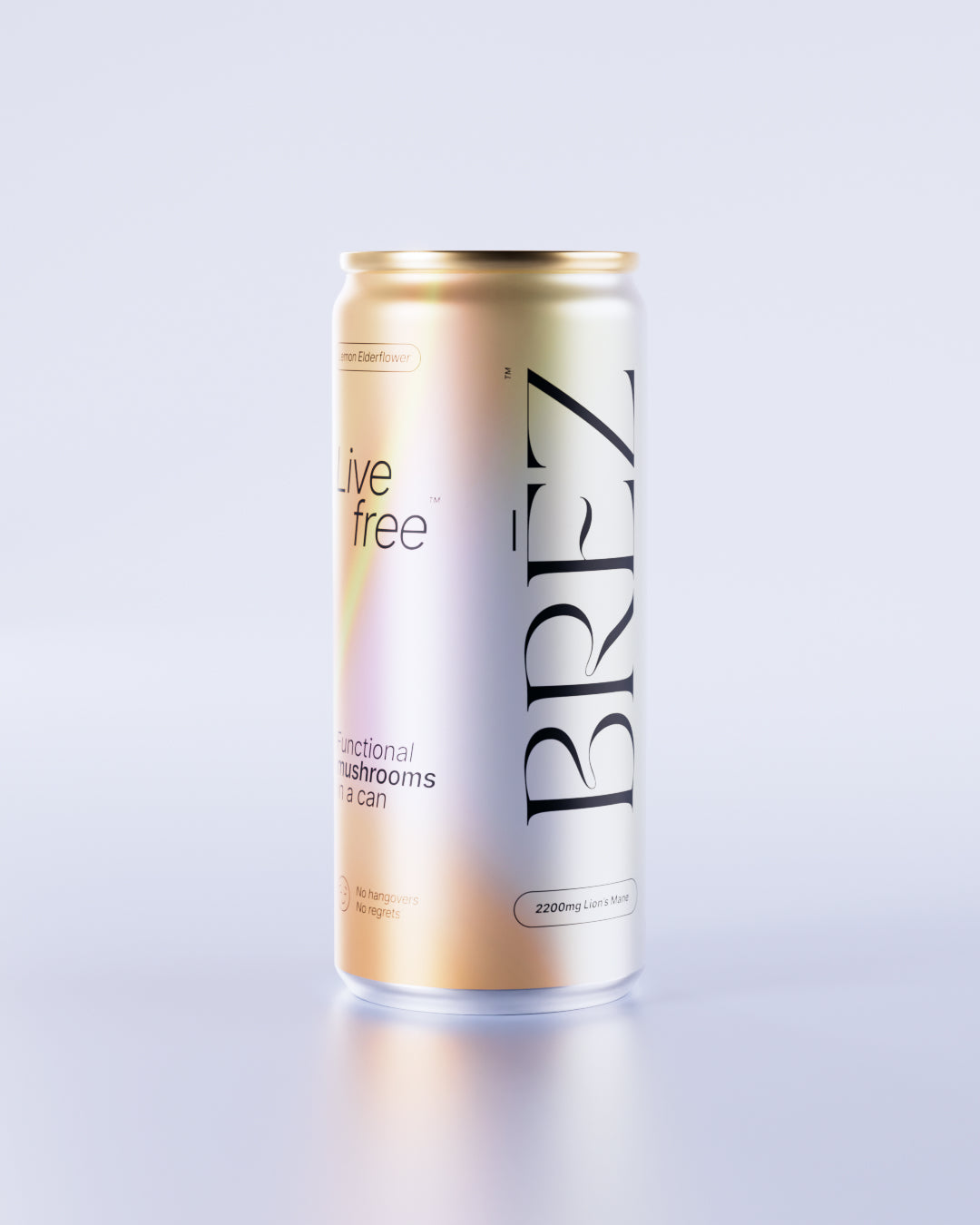
In Recent eld, a substantial appreciation shift has been pickings target in the imbibing habits of populate around the world. The traditional visualise of socialising and celebration often involving souse beverages is step by step being replaced by a growth sheer toward alcoholic beverage-free alternatives. This movement reflects broader social group changes and attitudes towards health, health, and redolent living. In this article, we research the driving forces behind this shift and its implications for international imbibition .
The Rise of Health Consciousness Growing Awareness of Health Risks
One of the primary feather drivers behind the front towards intoxicant-free alternatives is an profit-maximizing awareness of the health risks associated with alcoholic beverage expenditure. Studies have consistently shown that excessive imbibing can lead to a range of wellness problems, including liver , cardiovascular issues, and mental wellness disorders. As more populate become witting of these risks, there is a growing list to seek out healthier modus vivendi choices, including abstaining from alcohol.
The Impact of the Wellness Trend
The health curve has also played a significant role in shaping attitudes towards alcohol. As heedfulness, self-care, and holistic health become more mainstream, individuals are re-evaluating their habits and making choices that align with their overall well-being. Alcohol-free alternatives fit seamlessly into this lifestyle, offer a way to social experiences without compromising wellness goals.
The Evolution of Social Norms Changing Social Expectations
Social norms around imbibition are evolving, with growing toleration of intoxicant-free options in various settings. Where once it might have been uncommon to see non-alcoholic beverages at mixer gatherings, they are now becoming a standard offering. This transfer is driven by a desire to suit a wider range of preferences and to upgrade inclusivity in mixer settings.
The Influence of Generational Shifts
Younger generations, particularly Millennials and Gen Z, are leadership the shoot up in dynamical drinking habits. These groups are more likely to prioritize health and wellness and are more open to experimenting with non-alcoholic alternatives. This people shift is influencing how cannabis infused social tonic ic beverage-free options are marketed and unchallenged, driving invention in the manufacture.
Innovations in Alcohol-Free Alternatives The Development of Non-Alcoholic Beverages
The rise of the inebriant-free social movement has spurred substantial invention in the drink industry. Manufacturers are developing a wide straddle of non-alcoholic alternatives that mimic the smack and go through of orthodox souse drinks. From craft non-alcoholic beers to intellectual mocktails, there is now a different array of options for those who choose to refrain from inebriant.
The Role of Technology and Marketing
Advancements in engineering and merchandising strategies have also contributed to the popularity of intoxicant-free alternatives. High-quality product techniques and inventive selling campaigns have helped elevate the visibility of these beverages, making them more likeable to consumers. This has led to greater visibility and toleration of alcohol-free options in both mainstream and niche markets.
The Global Impact of the Movement Cultural and Economic Implications
The world-wide shift towards intoxicant-free alternatives is having guiding light discernment and worldly personal effects. Culturally, it represents a move towards more comprehensive and wellness-conscious social practices. Economically, it is creating new opportunities for businesses and entrepreneurs in the potable industry, growth and conception.
Future Trends and Predictions
Looking in the lead, the cu towards alcoholic beverage-free alternatives is unsurprising to preserve gaining impulse. As awareness of health issues and sociable inclusivity grows, more people are likely to bosom non-alcoholic options. The beverage manufacture will likely carry on to develop, with ongoing innovations and expansions in the commercialise for alcohol-free products.
In termination, the worldwide movement towards alcohol-free alternatives is specular of broader perceptiveness shifts towards wellness, health, and inclusive sociable practices. As this swerve continues to evolve, it will shape the futurity of imbibition , offering new opportunities and challenges for both consumers and businesses likewise.
