
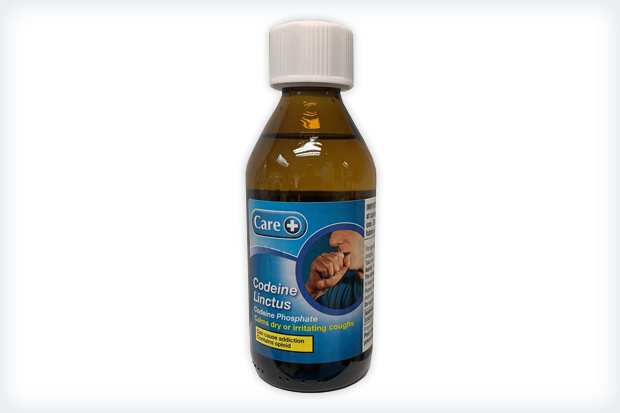
In the world consciousness, the conversation around opioid pervert is dominated by headlines about Fentanyl and oxycodone. Yet, simmering below the surface of this crisis is a quieter, more seductive swerve involving a message perceived as kind: linctus. This cough up syrup, a staple in medicine cabinets for decades, has been co-opted by a new generation, transforming from a simple antitussive into a central player in a burgeoning populace health dilemma. Its valid status and historical reputation have covert its potential for harm, creating a unusual and hazardously underestimated scourge in 2024.
The Allure of the”Lean” Lifestyle
The resurgence of codeine linctus is inextricably joined to its glorification in hip-hop culture and on mixer media platforms. The concoction known as”lean,””sizzurp,” or”purple drank” a admixture of prescription-strength cough out syrup, soda, and often sugarcoat is depicted as a glamourous and recreational high. This perception is hazardously dishonorable. Unlike outlaw drugs sourced from insubstantial dealers, codeine linctus is often obtained through”doctor shopping,” online pharmacies with lax check, or from relatives’ unaccustomed prescriptions. This detected legitimacy lowers the user’s perceived risk, creating a gateway to opioid dependance. A 2024 account from the National Pharmacy Association indicated a 30 year-on-year step-up in reports of unsuccessful dishonorable purchases of -based products, highlighting the escalating demand.
- Social Media Glamorization: Platforms like TikTok and Instagram are rife with videos subtly or overtly promoting the”sipping” , often targeting a youth hearing.
- Misinformation: The tale frames lean as a safe, effectual high, obscuring its opioid and the severe risks of metabolism slump, dependance, and fateful interactions with other depressants like alcoholic beverage.
- Accessibility Challenge: Its status as a prescription medicine medicine, rather than a strictly restricted subject matter, creates a complex restrictive challenge, making it easier to incur than other opioids.
Case Study 1: The Digital Dealer
In early 2024, a network of”telehealth” providers was razed by federal government across several southern states. These trading operations were not merchandising unratified narcotics; they were prescribing linctus en masse shot after pro forma online consultations, sometimes stable less than two minutes. Patients would pay a flat fee for the”consultation,” and the prescription would be electronically sent to a complicit pharmaceutics. This case study reveals a Bodoni loophole: the digitalisation of healthcare being victimized to fuel habituation, demonstrating that the terror isn’t just from street dealers but from within on the face of it decriminalise medical frameworks.
Case Study 2: The Accidental Addict
Consider”Sarah,” a 42-year-old teacher who began taking linctus in 2022 for a persistent, dry cough up following a bout of pneumonia. When her initial prescription ran out, she establish the withdrawal symptoms anxiousness, musculus aches, and insomnia were unsufferable. Unwilling to place herself as someone with a substance use cark, she rationalized her need for the syrup and began visiting threefold doctors to exert her ply. Her case is typical of a big cohort of”accidental addicts” individuals who prepare a dependance from cure use, a risk rarely discussed with patients when the medicinal dru is prescribed.
A Regulatory Tightrope
The reply to this is a tightrope walk. Public wellness advocates call for stricter scheduling, possibly animated cough linctus to a that requires a natural science, in-person ethical drug, eliminating the telehealth loophole. However, the pharmaceutic manufacture and some medical checkup professionals argue that this punishes legitimate patients who rely on the drug for sincere health chec purposes. The UK implemented a reclassification in 2018, forbiddance over-the-counter gross revenue, which led to an first drop in misuse but also sparked debates about patient get at. The solution may lie not in instantly bans but in increased education for prescribers, mandate patient risk assessments, and a world campaign to and deglamorize the”lean” , highlight the destructive reality of opioid habituation, no matter to the seed.
The visualize of codeine linctus is fractured. It is both a operational medicine and a catalyst for dependence; a sound ethical drug and a unpaid drug. This wave-particle duality is what makes it so precarious. As the opioid evolves, it is material to look beyond the familiar suspects and turn to the substances hiding in complain sight. The
